
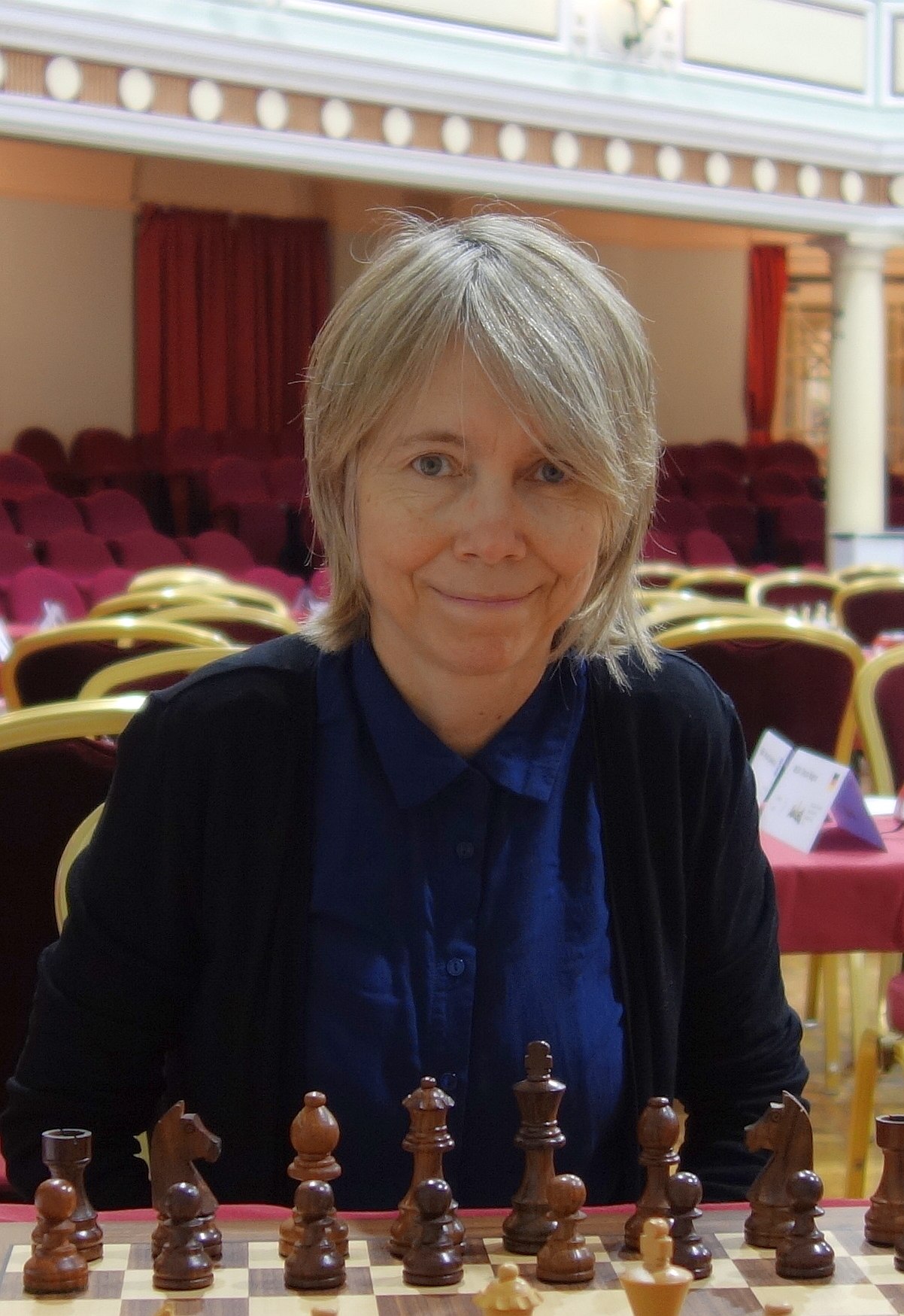
Pia Cramling is one of the most accomplished women in chess history. Born in Stockholm in 1963, she earned the full Grandmaster title in 1992, a milestone that placed her among a tiny group of women to reach GM through open-tournament norms, not the separate WGM pathway. Her career spans more than four decades, from competing against the world’s top women in the 1980s to remaining active in chess commentary and selected events in 2026. She is also part of Sweden’s most famous chess family.
Career at a Glance
| Detail | Info |
|---|---|
| Full name | Pia Cramling |
| Born | April 23, 1963, Stockholm, Sweden |
| FIDE ID | 1700039 |
| Title | Grandmaster (GM) |
| Country | Sweden |
| Peak FIDE rating | ~2550 (1990s) |
| GM title awarded | 1992 |
A Chess Family: The Cramling Dynasty
Pia Cramling did not come to chess by accident. Her father, Gunnar Cramling, was a chess master, and her mother, Birgitta Hesselqvist, was also a titled player. In Sweden, the Cramlings are considered chess royalty; a family where the game was a household language before it was a career. Pia’s partner, Spanish Grandmaster Juan Manuel Bellón López, is also a titled player.
Her daughter, Anna Cramling, has carried that legacy into the digital era. Anna is an International Master (IM) and one of the most-watched chess content creators on YouTube, known for her instructive and entertaining play. Mother and daughter represent different generations of elite women’s chess, with Pia as the trailblazer and Anna as the face reaching millions of new fans.
This family dimension gives Pia Cramling’s story a continuity that few players in any sport can claim. Her career was shaped by chess from birth, and the tradition continues through her daughter.
Earning the Grandmaster Title
The Grandmaster title, the full GM, not the Women’s Grandmaster (WGM), requires meeting strict performance norms in open tournaments against top competition. In 1992, Pia Cramling achieved this, becoming one of only a handful of women in history to hold the full GM title at the time.
The distinction matters. The WGM title has its own norms and is awarded within women’s chess. The full GM title has no gender qualifier; it is the highest title in chess, shared with the men who earn it. When Cramling earned it, she joined Judit Polgar and a very short list as women who had crossed that threshold through open competition.
This was not a ceremonial award. Cramling met the norms. She played at the level required. That is what makes 1992 a meaningful date in women’s chess history, and why she is cited whenever the question of female grandmasters in chess comes up.
Playing Style
“I like to complicate the game. I always want to play actively — I don’t like to wait.” — Pia Cramling, in interviews discussing her approach to chess
Cramling is known for an aggressive, tactical approach that sets her apart from many women’s chess champions, who have historically favored solid, positional play. She looks for complications on the board, plays sharp openings, and has produced some of her best results with creative attacking ideas.
This style proved effective in mixed-gender competition. She competed regularly in open supertournaments against male Grandmasters and consistently scored above expectations. Her tactical awareness and willingness to create imbalances made her a difficult opponent regardless of the field.
She has spoken about her approach in interviews over the years, she prefers active play to waiting, and her results show it. That philosophy, combined with decades of competitive experience, gives her games a distinct character that chess students still study.
Career Highlights and Tournaments
Cramling’s longevity is among her most notable qualities. She was a top-five female player in the world for much of the 1980s and 1990s, competing at the Women’s Candidates level across multiple cycles. She represented Sweden in FIDE Chess Olympiads, a long-running international team competition, earning results that reflected her top-tier status.
She never won the Women’s World Championship, but she was a consistent presence at the highest level of women’s chess for over 30 years. That kind of sustained performance across changing competitive landscapes is rare in any sport.
Her record in mixed events, playing against men in open tournaments, is equally strong. She regularly exceeded her rating in these events, which is a mark of a player whose results hold up beyond the women’s circuit.
For a broader view of where she stands historically, the FIDE top women’s rankings show the current picture; Cramling defined the benchmark for decades.
Pia Cramling in 2026
Cramling is in her early 60s and remains connected to chess, though at a reduced competitive schedule. She appears at selected events, maintains her FIDE rating, and is active in the chess community, including through her daughter Anna Cramling’s YouTube channel, which has brought Pia’s games and teaching to a new generation of fans.
Her current FIDE rating sits around 2450, still a strong number that reflects the quality of her play when she competes. Very few players of any background remain active and rated above 2400 in their seventh decade.
“The most important thing is to keep playing, keep studying, and keep your love for the game.” — Pia Cramling, on chess longevity
Her legacy in 2026 is clear: she is a pioneer of the GM title for women, a model of longevity, and the matriarch of a chess family that continues to shape the game through her daughter Anna’s global reach. Players like Hou Yifan, Ju Wenjun, and the top women chess players of 2026 built on the foundation that Cramling helped lay.
Her Wikipedia page and Chess.com profile document the full scope of her career for those who want to go deeper.
Related Articles
- Judit Polgar: Chess Profile
- Hou Yifan: Chess Profile
- Ju Wenjun: Chess Profile
- Top Women Chess Players 2026
- How Many Female Grandmasters Are There in Chess (2026)?
- FIDE Top Women’s Rankings
Frequently Asked Questions
Is Pia Cramling still active in chess in 2026? Yes, though at a reduced pace. She plays selected events, maintains a FIDE rating around 2450, and remains connected to the chess community through commentary and family activity.
What is Pia Cramling’s FIDE rating? Her current rating is approximately 2450 as of 2026. Her peak was around 2550 in the 1990s. Her full FIDE profile (ID: 1700039) has her current standing.
How did Pia Cramling earn the Grandmaster title? She met the performance norms required for the full GM title, not the Women’s Grandmaster (WGM) title, by competing in open tournaments against top players. She achieved this in 1992.
What makes the GM title different from the WGM title? The WGM (Women’s Grandmaster) title is awarded within women’s chess and has separate, lower norms. The full GM title is the highest title in chess with no gender distinction, Cramling earned that one, which put her in rare company at the time.
How is Pia Cramling related to Anna Cramling? Anna Cramling is Pia’s daughter. Anna is an International Master (IM) and a major chess content creator on YouTube. Pia’s parents, Gunnar Cramling and Birgitta Hesselqvist, were both titled chess players; Anna’s father is Spanish Grandmaster Juan Manuel Bellón López.
Did Pia Cramling ever win the Women’s World Championship? No. She competed at the Women’s Candidates level throughout her career and was consistently ranked among the top women in the world, but she did not win the Women’s World Championship.
What is Pia Cramling’s playing style? She is known for aggressive, tactical chess, sharp openings and creative attacking play. This approach proved effective in open tournaments against male GMs, where she regularly outperformed her seeding.
Where can I follow Pia Cramling’s current activity? Her FIDE profile, Chess.com profile, and Anna Cramling’s YouTube channel are the main places to follow news and games from the Cramling family.