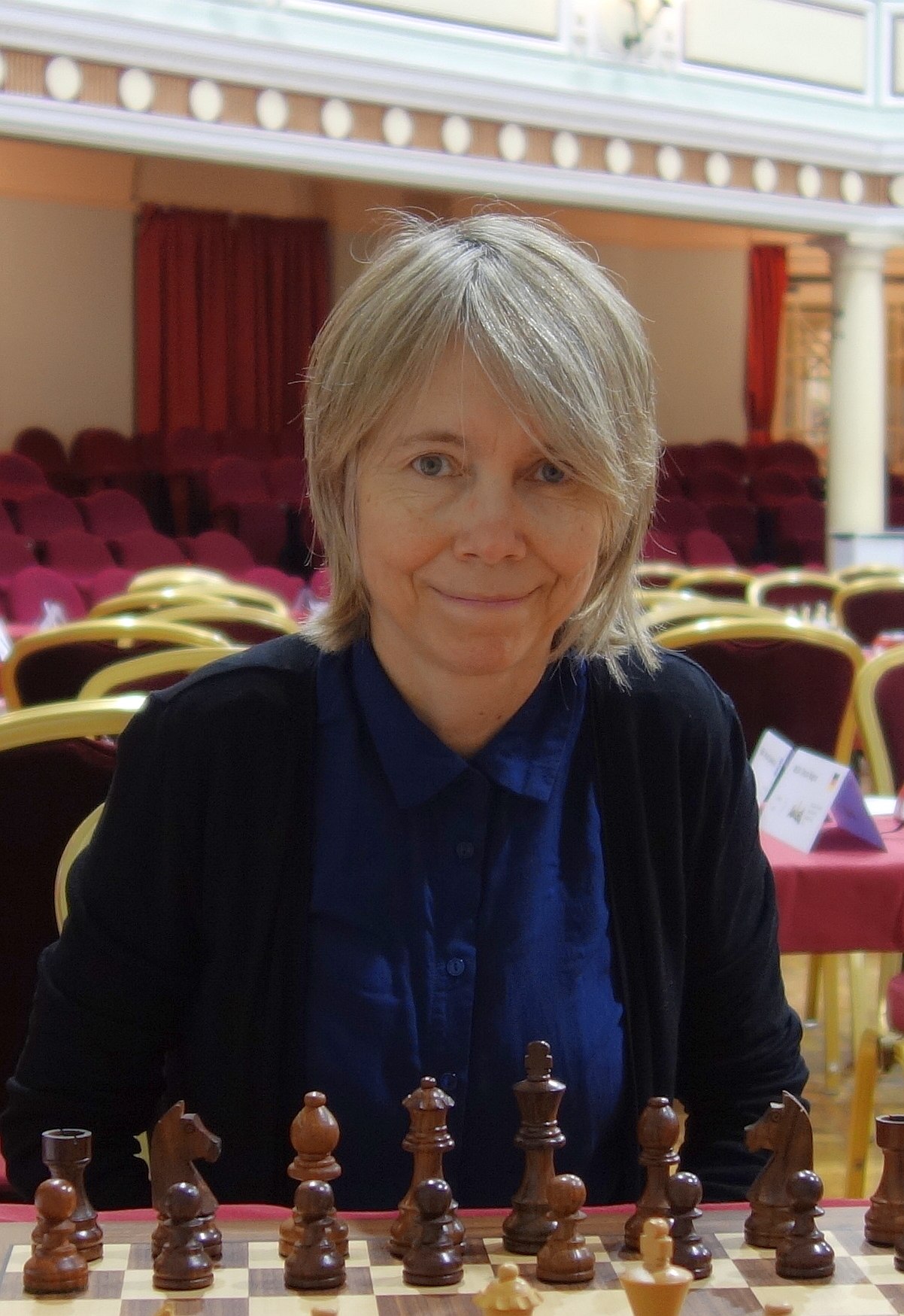


Vaishali Rameshbabu is one of the most compelling stories in contemporary chess. A Grandmaster from Chennai, the older sister of prodigy Praggnanandhaa, and a genuine contender at the highest level of women’s chess — Vaishali has built her career with the same relentless fighting spirit that defines her family. With a FIDE rating climbing past 2535 in early 2026 and a place secured at the Women’s Candidates Tournament 2026, she is firmly established as one of the world’s elite female players. You can follow her results and full statistics on her Shatranj Live profile.
Early Life: Growing Up in a Chess Family
Vaishali Rameshbabu was born on June 21, 2001, in Chennai, Tamil Nadu — a city that has become synonymous with chess excellence in India. Her father, a banker by profession, and her mother recognized her aptitude for the game early and enrolled both Vaishali and her younger brother in chess classes. Growing up in a household that prioritized chess development shaped Vaishali in ways that formal coaching alone cannot replicate.
Chess was a constant presence from an early age. She learned the game as a child, and it quickly became apparent that she had the aptitude and the temperament to compete seriously. Her parents’ commitment to supporting both children’s chess careers — including significant financial sacrifice — gave her the foundation to compete at the highest level.
Chennai’s chess culture — built on decades of institutional investment, strong clubs, and a tradition of producing national champions — provided the competitive environment Vaishali needed to sharpen her game. She rose through junior tournaments across India, accumulating results that pointed clearly toward a major career.
Her FIDE profile (ID: 5091756) tracks a rating trajectory that has moved consistently upward, reflecting steady technical development and increasing confidence against top opposition. For full biographical details, the Wikipedia article on Vaishali Rameshbabu provides a useful reference.
The Sibling Chess Dynasty
The story of Vaishali and her younger brother Praggnanandhaa is genuinely unprecedented in modern professional chess. It is extraordinarily rare for two siblings from the same family to both reach the absolute elite tier of the game. In the Rameshbabu household, it happened twice.
Praggnanandhaa became the second-youngest person in history to earn the Grandmaster title and has since broken into the world’s top 10, reaching a peak rating above 2750. His performances at the Candidates Tournament and in World Blitz events have made him a household name in chess globally. You can read his full story in Pragg’s player profile on Shatranj Live.
Vaishali’s trajectory is no less impressive. While she competes primarily in the women’s chess world — where the rating pool and competitive structure differ from the open circuit — her rise to the Grandmaster title and her sustained presence near the top of the women’s rankings places her in elite company.
Both siblings share a recognizable playing identity: sharp, combative, never satisfied with a quick draw when complications are available. That fighting spirit is partly temperament, partly a reflection of the coaching environment they grew up in, which emphasizes dynamic play and concrete calculation over positional safety.
The Rameshbabu family has become a symbol of what sustained investment in chess development can produce. Their story is frequently cited when discussing the depth and quality of Indian chess as a national force — a country that has now produced the world champion and multiple elite contenders across both open and women’s competitions.
Road to the Grandmaster Title
Vaishali earned the Woman Grandmaster (WGM) title early in her career, demonstrating consistent performance at the international level. But the milestone that defined her entry into the upper tier of the sport came in 2024, when she completed the requirements for the full Grandmaster (GM) title — a distinction shared by only a small number of women in chess history.
Earning the GM title requires accumulating three Grandmaster norms in FIDE-rated events while crossing the 2500 rating threshold. The norms must be achieved against fields of sufficient average rating and title diversity, meaning there are no shortcuts. Vaishali cleared these requirements through a series of strong performances in open tournaments and invitational events where she competed against — and defeated — male Grandmasters.
Her Women’s Asian Chess Championship title was a significant milestone, establishing her as the strongest female player in a region that has produced multiple world champions. That performance underscored her readiness to compete at the highest level of international women’s chess.
By securing the GM title in 2024, Vaishali joined Koneru Humpy, Harika Dronavalli, and Divya Deshmukh as the standard-bearers of Indian women’s chess. She is the youngest of that group at the time of writing, and on current trajectory, she carries the most remaining upward potential.
Playing Style and Opening Repertoire
Vaishali’s chess is defined by aggression and precision. She does not play for draws. Her games regularly feature sharp tactical battles, unbalanced pawn structures, and a willingness to enter complications even at the cost of material safety.
As White, she favors lines that create immediate imbalances — systems designed to take opponents out of their preparation and generate winning chances from the earliest stages. As Black, she meets 1.e4 with sharp defenses and employs complex, theoretically demanding systems against 1.d4 that reflect deep opening preparation.
Her endgame technique has grown significantly as she has matured as a player. Early in her career, her attacking instincts occasionally outran her technical execution in conversion. At the GM level, the balance between tactical ambition and positional discipline is noticeably more refined.
This style is not accidental. The coaching environment that shaped both siblings emphasizes calculation-based play, active piece placement, and a preference for fighting chess. Both Vaishali and Pragg carry these hallmarks in their games — it is one of the reasons their games are consistently watchable and instructive for students of the game at every level.
Women’s Candidates 2026: India’s Best Chance
The Women’s Candidates Tournament 2026, scheduled for Paphos, Cyprus from March 29 to April 16, is the defining event on Vaishali’s calendar this year. The winner earns the right to challenge the reigning Women’s World Champion — making the Candidates the most important women’s chess tournament outside of the World Championship match itself.
Vaishali’s qualification for this event is a statement of her standing in the global women’s chess hierarchy. The field includes the strongest women’s players in the world, and a competitive result would cement her status as a genuine title contender for years to come.
She enters the tournament with several factors working in her favor. Her rating is at a career high. Her preparation will have benefited from the same analytical rigour that has supported Pragg in elite events. And she has demonstrated in recent years that she can perform under the pressure of high-stakes competition without wilting — an attribute that cannot be coached and can only be proven through experience.
At 24, she is one of the younger players in the Candidates field — an asset in terms of long-term potential, though experience across multiple cycles distinguishes some of her opponents. The Shatranj Live Candidates page will carry full coverage of the tournament, including round-by-round results and analysis throughout the event.
India’s chess community will be watching closely. Alongside Koneru Humpy and Divya Deshmukh, Vaishali represents the extraordinary depth of talent that has made India the most formidable chess nation in the world across both the open and women’s circuits.
FIDE Rating and Rankings in 2026
As of early 2026, Vaishali Rameshbabu holds a FIDE classical rating of approximately 2535, placing her among the top ten women’s players in the world. Her rating has risen consistently over the past three years, reflecting genuine competitive improvement rather than favorable pairing circumstances.
The 2500 barrier carries real significance in women’s chess — fewer than twenty women in history have crossed it. Vaishali has not only crossed it but continued climbing. At her current trajectory, a rating above 2550 within the next twelve months is a realistic projection based on her recent form.
Her FIDE ID is 5091756, and her full rating history — including rapid and blitz ratings — is available at ratings.fide.com/profile/5091756. Her Shatranj Live profile at shatranj.live/players/female/5091756 provides additional tracking of her recent tournament appearances and performance data.
In the context of Indian women’s chess, her classical rating places her second only to Koneru Humpy among active players — and the gap has been narrowing with each tournament cycle.
What Makes Vaishali a Title Contender
Several qualities distinguish Vaishali from the broader field of strong women’s players and mark her as a realistic contender for the Women’s World Championship in the coming years.
Preparation quality. Her access to high-level coaching and exposure to the analytical infrastructure that surrounds her brother’s preparation means her opening work is consistently sophisticated and current. In modern chess at the elite level, preparation quality is a decisive competitive factor.
Fighting mentality. Vaishali does not accept draws passively or allow opponents to coast. In a double round-robin format where drawing tendencies can allow players to drift toward safe scores, her willingness to press for winning chances from any position is a structural advantage that accumulates across a long tournament.
Age and trajectory. At 24, she is entering what is typically the peak development phase for elite players. The combination of accumulated competitive experience and continued improvement in technical execution means her best chess may still be ahead of her — a rare position to occupy at a Candidates.
Competitive resilience. Her results across different formats — classical, rapid, and team competitions including the Olympiad — show a player who elevates her performance when the stakes are highest. That ability to compete under pressure is rare and not easily developed.
The Indian chess ecosystem that has produced Magnus Carlsen’s main challengers and the current world champion is now developing its own generation of women’s title contenders. Vaishali Rameshbabu is at the center of that story — and the Women’s Candidates 2026 in Paphos is her clearest opportunity yet to announce herself on the very biggest stage in women’s chess.
Related Articles
- Praggnanandhaa Player Profile
- India Women Chess Candidates 2026
- Top Women Chess Players 2026
- How Many Female Grandmasters 2026
- India’s Chess Golden Generation 2026
Frequently Asked Questions
What is Vaishali Rameshbabu’s FIDE rating in 2026?
As of early 2026, Vaishali Rameshbabu’s FIDE classical rating is approximately 2530, placing her among the top ten women’s players in the world. Her rating has been rising consistently over the past three years. Her full rating history is available at ratings.fide.com/profile/5091756.
What country does Vaishali Rameshbabu represent?
Vaishali Rameshbabu represents India in FIDE-rated competitions. She was born in Chennai, Tamil Nadu, and developed her chess skills through the city’s strong chess culture and coaching infrastructure. India is the country she has represented at the Chess Olympiad and in all international events throughout her career.
Is Vaishali Rameshbabu a Grandmaster?
Yes. Vaishali Rameshbabu completed the requirements for the full Grandmaster (GM) title in 2024, becoming one of the very few women in chess history to hold the open GM title. This is distinct from the women-specific WGM designation and requires crossing the 2500 rating threshold and earning three GM norms in FIDE-rated events.
Is Vaishali Praggnanandhaa’s sister?
Yes. Vaishali Rameshbabu is the older sister of Praggnanandhaa (Pragg), the Indian Grandmaster ranked among the world’s top players. Both siblings grew up in a chess-focused household in Chennai and have reached the elite level of professional chess — a combination widely considered unprecedented in the modern game.
What is Vaishali’s FIDE ID?
Vaishali Rameshbabu’s FIDE ID is 5091756. Her complete profile, including classical, rapid, and blitz ratings and full tournament history, is available at ratings.fide.com/profile/5091756.
Is Vaishali in the Women’s Candidates 2026?
Yes. Vaishali Rameshbabu has qualified for the Women’s Candidates Tournament 2026, which takes place in Paphos, Cyprus from March 29 to April 16, 2026. The winner earns the right to challenge the reigning Women’s World Champion. Follow full coverage at shatranj.live/candidates.
What major tournaments has Vaishali won?
Vaishali Rameshbabu won the Women’s Grand Swiss Tournament in 2023 and again in 2025, establishing herself as one of the most consistent performers on the women’s FIDE circuit. She also won the Women’s Asian Chess Championship, which further confirmed her status as India’s leading female player.
What is Vaishali’s playing style?
Vaishali plays aggressive, combative chess and rarely accepts draws when complications are available. She favors sharp opening lines designed to create early imbalances and is known for her tactical precision and fighting mentality — qualities she shares with her brother Praggnanandhaa, reflecting the coaching philosophy they were raised with.
How old is Vaishali Rameshbabu?
Vaishali Rameshbabu was born on June 21, 2001, in Chennai, Tamil Nadu, India. She is 24 years old as of March 2026, making her one of the younger competitors in the Women’s Candidates Tournament 2026 field.
Where can I follow Vaishali’s games live?
You can follow Vaishali Rameshbabu’s live games, current rating, and tournament results at Shatranj Live. The Women’s Candidates 2026 will be covered in full at shatranj.live/candidates with round-by-round results and standings.